Hood Warfare 2 Player Count: How to Check Live Numbers
Learn how to track the Hood Warfare 2 player count, read Steam charts, and gauge whether the game's community is growing or dying in 2026.
Why the Hood Warfare 2 Player Count Matters
If you're thinking about jumping into Hood Warfare 2, the game's player count is one of the first things you should check. A healthy Hood Warfare 2 player count means faster matchmaking, active lobbies, a buzzing community, and confidence that the developers will keep supporting the game. A shrinking count, on the other hand, can mean longer queue times and fewer fresh matches.
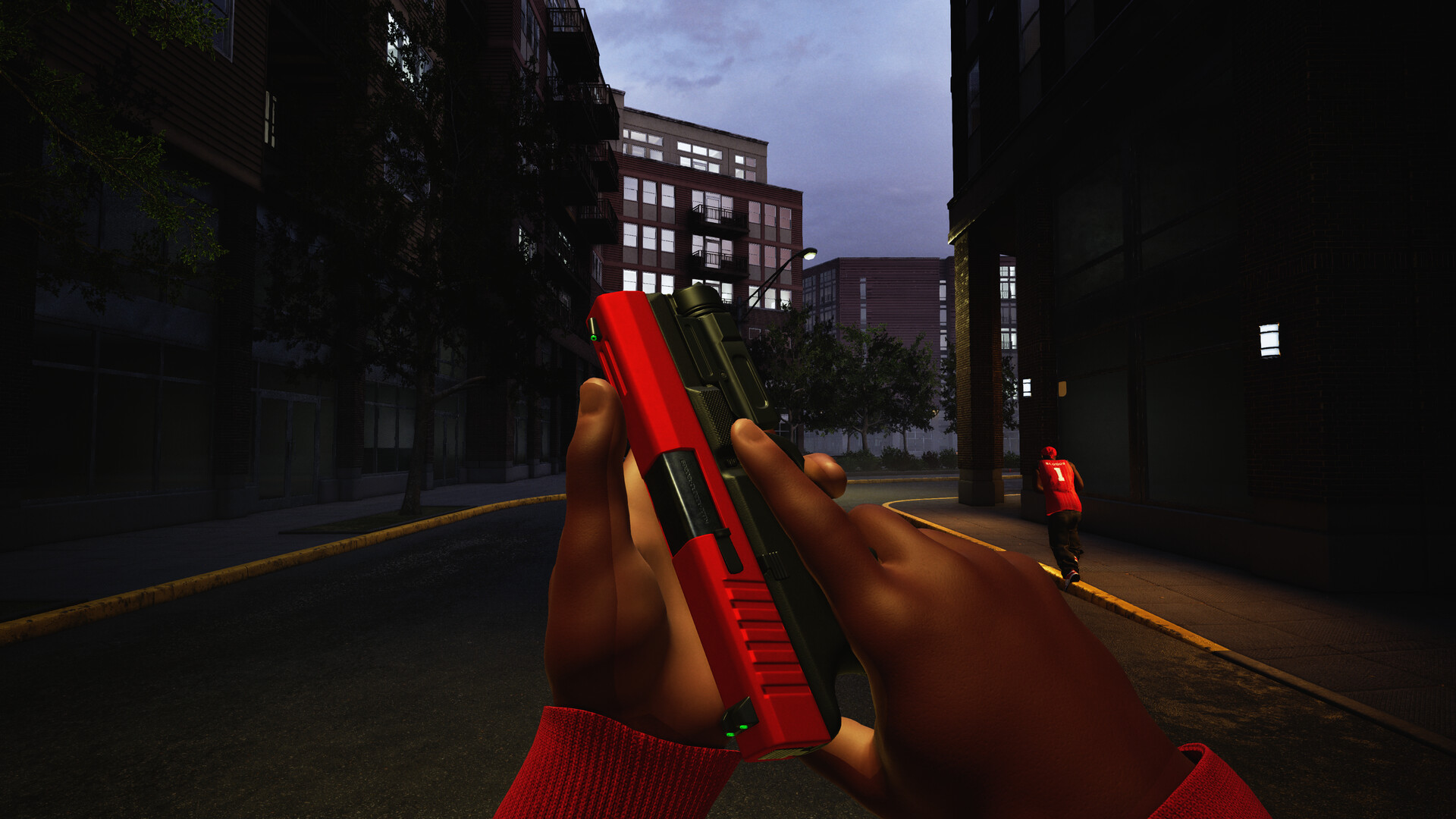
Official screenshot · Source: Steam store
Whether you're a returning player from the original Hood Warfare or a total newcomer, this guide breaks down how to find live player numbers, how to interpret them correctly, and what the community is saying about the game's momentum. We'll also cover the red flags and green flags worth watching as the game matures.
Where to Check the Hood Warfare 2 Player Count
Hood Warfare 2 is available on Steam, which makes tracking its population relatively straightforward — at least for the PC version. Here are the most reliable places to look:
| Source | What It Shows | Cost | Best For |
|---|---|---|---|
| In-game server browser | Live lobbies and regional activity | Free | Checking right now |
| SteamDB charts | 24-hour peak, all-time peak, historical trends | Free | Long-term trend analysis |
| Steam official stats (via Web API) | Current concurrent players | Free | Accurate real-time snapshots |
| Steam reviews | Recency and volume of feedback | Free | Gauging community sentiment |
| Reddit & Discord | Anecdotal queue times, event turnout | Free | Qualitative community health |
A few notes on each:
- SteamDB is the gold standard for historical charts. It tracks concurrent players hour by hour and lets you compare the current peak against the all-time peak. However, the site actively blocks automated scraping, so you'll need to visit it manually in your browser.
- The Steam Web API is the official, developer-sanctioned way to pull current player numbers. Sites like SteamDB and SteamCharts ultimately derive their data from Steam itself.
- In-game indicators matter too. Community reports consistently suggest that counting active servers and checking lobby fill times gives you a real-world feel that raw numbers can't.
How to Read Player Count Data Like a Pro
Raw numbers don't tell the whole story. A game with 5,000 concurrent players might be thriving or struggling depending on its genre, structure, and history. Use this framework:
| Metric | What It Tells You | Healthy Signal |
|---|---|---|
| 24-hour peak | Daily active interest | Stable or rising week over week |
| All-time peak vs. current | Retention since launch | Within 30–50% of peak is decent |
| Average playtime | Engagement depth | Rising after content updates |
| Review recency | Ongoing community activity | Fresh reviews appearing daily |
| Update cadence | Developer commitment | Regular patches and events |
Player Count vs. Matchmaking: What Actually Matters
Here's the thing many players miss: for a server-based multiplayer title like Hood Warfare 2, what really matters isn't the total concurrent count — it's whether your region has active servers when you want to play.
- Peak hours matter. A game can be "dead" at 3 AM and packed at 8 PM. Community reports often describe Hood Warfare 2 lobbies as noticeably fuller on evenings and weekends.
- Regional distribution matters. A healthy global count means little if your region has no servers. Always filter by your area when checking.
- Game mode splits matter. If everyone crowds into one mode, other modes may feel abandoned even during peak hours.
Green Flags: Signs the Community Is Growing
Based on general community discussion patterns around multiplayer indie titles, these are the signals players typically look for:
- Content updates landing on a regular schedule. Frequent patches and seasonal events tend to pull lapsed players back, creating visible spikes on player charts.
- A rising review count on Steam. When the review volume accelerates rather than trailing off, it usually means new players are still arriving.
- Growing Discord and Reddit activity. Clip sharing, loadout debates, and community tournaments are the heartbeat of any multiplayer scene.
- Content creators covering the game. New YouTube videos and Twitch streams drive discovery, which feeds directly into the player count.
- Word-of-mouth momentum from the first game. The original Hood Warfare built a niche audience, and sequels often see a surge as that fanbase migrates over.
Red Flags: Signs of a Shrinking Population
Nobody wants to invest hours into a dead game. Watch for these warning signs:
- Queue times stretching past several minutes during peak evening hours — community reports frequently cite this as the first symptom of decline.
- Stale lobbies dominated by the same small group of regulars.
- Fading update cadence, where patches slow from weekly to monthly to silence.
- A gap between all-time peak and current numbers that keeps widening month over month.
- Review bombing or "dead game" comments stacking up in recent Steam reviews.
That said, small dedicated communities can sustain niche multiplayer games for years. Don't write a game off just because it isn't pulling six-figure concurrents — plenty of cult classics run happily on a few thousand loyal players.
How Hood Warfare 2 Compares to the Original
Sequels typically follow a predictable population pattern. While we can't pull live numbers right now, here's how the lifecycle usually shakes out:
| Stage | Typical Timeline | Player Trend | What to Expect |
|---|---|---|---|
| Launch window | Weeks 1–4 | Sharp spike | Full lobbies, long queues, bugs |
| Post-launch dip | Months 1–3 | Decline | Core fanbase remains |
| First content bump | Month 3–6 | Recovery spike | Lapsed players return |
| Long tail | 6+ months | Plateau | Dedicated community only |
| Major update / sale | Irregular | Temporary surge | Best time to return |
If you're new to the series, the sweet spot is usually right after a major content update or a Steam sale, when the Hood Warfare 2 player count spikes and lobbies are at their fullest.
Tips for Finding Matches Even in Off-Peak Hours
If the population feels thin when you play, try these community-tested tactics:
- Play during regional prime time. For North American servers, that's roughly 6–10 PM Eastern. European and Asian servers peak at different hours.
- Join the official Discord. Most multiplayer games have LFG (looking-for-group) channels where players coordinate sessions directly.
- Broaden your server region filter. A slightly higher ping beats an empty lobby.
- Follow the game on social media. Developers often host community nights or double-XP events that concentrate players into specific windows.
- Check for community events. Organized tournaments and community nights reliably fill servers, even during otherwise slow periods.
FAQ
How do I check the Hood Warfare 2 player count right now?
The fastest way is to open the game and browse active servers, or check the current concurrent players figure on a tracking site like SteamDB, which pulls its data from the official Steam Web API. Numbers refresh every few minutes.
Is the Hood Warfare 2 player count higher than the original game?
Sequels usually launch with a higher peak thanks to returning fans and marketing buzz, and community reports around Hood Warfare 2 suggest a similar pattern. To compare precisely, pull the all-time peak charts for both titles on SteamDB and look at the current 24-hour peaks side by side.
What's a good player count for a multiplayer game like this?
There's no magic number. For server-based games, a few thousand concurrent players spread across regions is usually enough for solid matchmaking during peak hours. What matters more than the total count is whether servers are active in your region when you typically play.
Does a dropping player count mean the game is dying?
Not necessarily. All multiplayer games decline after launch. The key is whether updates, sales, and community events cause recovery spikes. A stable, slowly declining count with regular content often describes a healthy niche game — not a dying one.
Related Guides
Hood Warfare 2 Developers: Who's Behind the Viral FPS?
Meet the Hood Warfare 2 developers at Trapstar Games and see how they're handling the game's viral launch, anti-cheat updates, and community feedback.
Hood Warfare 2 Reddit: Why Reddit & Steam Communities Are Obsessed
Hood Warfare 2 Reddit buzz explained — viral clips, patch 1.0.10, community reactions, and what players love and hate about the $5 Chicago FPS.